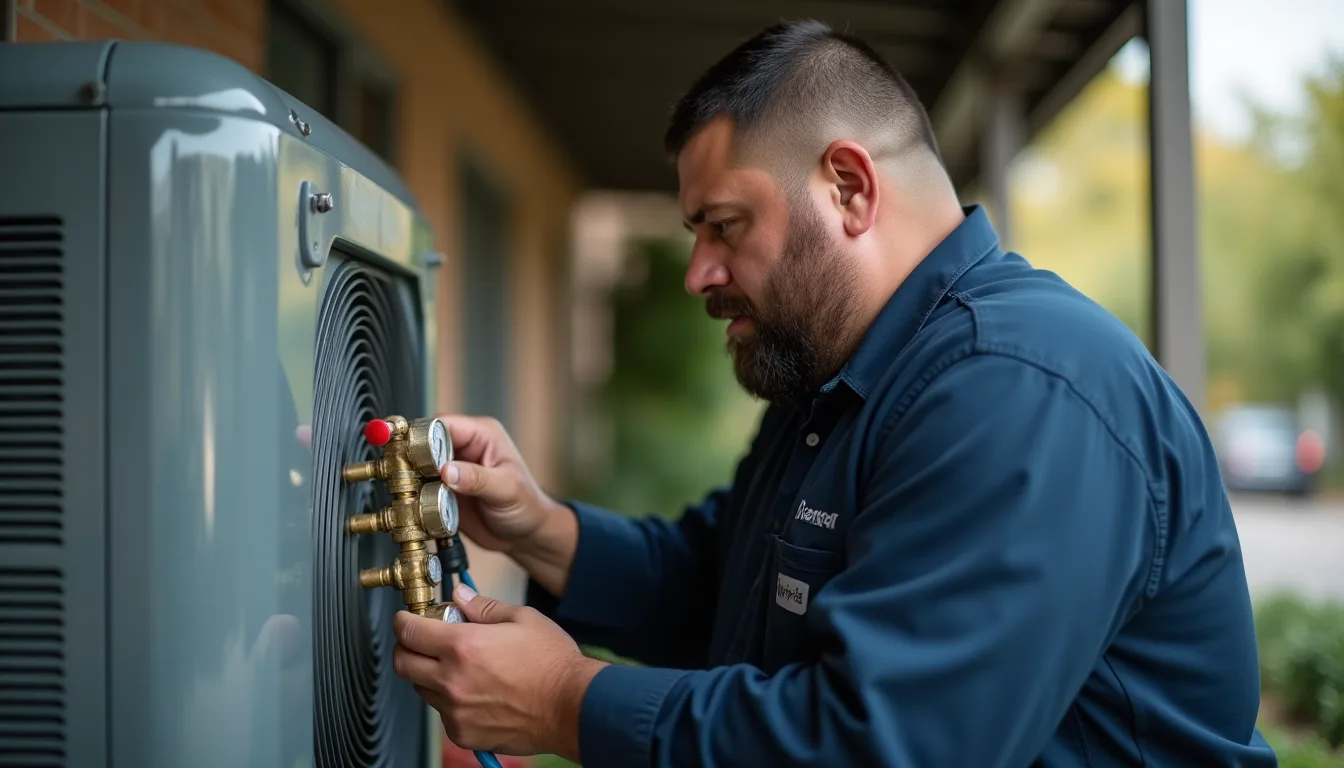
Why Your Austin Home Has Hot and Cold Spots: HVAC Solutions
Published: 2026-04-26 · By BreezeCool AC Repairs
Imagine it’s a blistering Austin afternoon, and you walk into your home, only to feel a wave of heat in the living room but chilly air in the bedroom. This frustrating phenomenon of hot and cold spots can make your home uncomfortable, leaving you struggling to maintain an even temperature. In a city known for its extreme heat and high humidity, addressing these temperature discrepancies is not just a comfort issue; it's essential for your well-being and energy efficiency. Understanding the causes behind these hot and cold spots in your home can save you money on energy bills and ensure that your HVAC system runs at peak performance.
Why This Matters for Austin Homeowners
In Austin, hot and cold spots are often indicative of a larger HVAC issue that needs immediate attention. Extreme temperatures and high humidity levels can lead to problems in your heating and cooling system, making it necessary to address airflow obstructions or insulation issues. Homes in and around Austin, characterized by clay soil, are prone to foundation shifts that can impact duct systems. This can lead to inefficient cooling and heating, resulting in uneven temperatures throughout your home.
Additionally, frequent severe thunderstorms, coupled with the potential for hail, can cause damage to outdoor units like central air conditioning systems. When the components of your HVAC system are compromised, you may notice drastic temperature variations that could further elevate your energy bills. Ensuring that your system operates efficiently means not only comfort but also reduced wear and tear on your equipment.
Understanding the root cause of these temperature variances is crucial. It can often point to a faulty system or even the need for upgrades that will enhance your home’s climate control, especially with the impending demands brought on by hurricane season.
Expert Solutions & Actionable Tips
1. Seal Duct Leaks for Better Airflow
One of the primary causes of hot and cold spots can be leaky ducts. In Austin’s humid environment, worn-out seals and gaps can allow conditioned air to escape, leading to uneven temperatures in your rooms. If you suspect leaks, consider hiring a professional for a duct inspection, which may cost between $100 and $300. Sealing these leaks can improve airflow, potentially alleviating those pesky temperature discrepancies in a matter of hours.
2. Upgrade Insulation in Your Attic
Many Austin homes are older and may feature inadequate insulation. Upgrading attic insulation can greatly enhance your home’s energy efficiency. The average cost for insulation ranges from $1,500 to $3,000 but can lead to energy savings of up to 30% on your monthly bills. Depending on the materials used, this upgrade can often be completed within a day.
3. Install a Thermostat with Zone Control
A sophisticated way to manage hot and cold spots is by installing a thermostat with zone control. This allows you to adjust the temperature in different areas of your homes, such as cooling the living room while keeping bedrooms warmer. Installation may cost around $200-$500, but the comfort it brings can be well worth the investment. The installation process usually takes a few hours.
4. Regular HVAC Maintenance Checks
Consistent HVAC maintenance can be the key to ensuring your system operates correctly and efficiently. Routine checks—including filter replacements and cleaning coils—should be scheduled at least twice a year. Maintenance visits in Austin typically range from $75 to $150, and investing in preventive care can save you from future costly repairs, effectively extending the lifespan of your unit.
5. Diagnose Humidity Levels Accurately
Humidity can cause discomfort and temperature irregularities. In Austin, it’s advisable to maintain indoor humidity levels between 30-50%. Use a dehumidifier if you notice excessive moisture, which can cost between $200 and $500. A well-placed dehumidifier can enhance comfort in your areas and eliminate that muggy feeling during hot summer days.
6. Consider Higher SEER Rating AC Units
If you're considering replacing your HVAC system, opting for units with a higher Seasonal Energy Efficiency Ratio (SEER) rating can save you money in the long run. High-efficiency units can cost between $2,500 to $4,500 but may reduce energy bills significantly. Given Austin’s heat, investing in a competent system can be a pivotal factor in maintaining balanced temperatures throughout your property.
Austin Climate & Local Context
Austin's unique climate poses challenges for homeowners when it comes to effective HVAC installation and maintenance. The region experiences extreme heat and humidity, with temperatures often peaking above 100°F during summer. Additionally, prevalent clay soils cause foundation shifting, which may affect ductwork and result in inefficiencies. This means that any HVAC system installed must not only cater to high temperatures but also be resilient against the subtleties of soil movement.
Local building codes in Austin also stipulate specific regulations for HVAC installations, focusing on energy efficiency and proper load calculations to accommodate our climate. This necessitates working with qualified service providers who are familiar with local codes, ensuring that all installations comply and function well within the unique conditions we face.
When to Call a Professional
While some HVAC issues can be resolved through DIY efforts, knowing when to call a professional is crucial for safety and effectiveness. Tasks like changing air filters or cleaning vents are manageable; however, complex system diagnostics and repairs require expert knowledge. If you encounter any of these situations, it’s best to seek professional help:
- Unusual noises emanating from your air conditioner
- System fails to cool or heat effectively
- Frequent cycling on and off
- Increased utility bills without a change in usage
- Visible leakage around your HVAC unit
- Burning smells during operation
When in doubt, it’s better to err on the side of caution and reach out to a certified professional to inspect your HVAC system.
Frequently Asked Questions
How long does it take to fix hot and cold spots in my home?
The timeline can vary based on the underlying issue but expect a resolution within a few hours to a couple of days, depending on the complexity of the repair.
What signs should I look for to know if my HVAC needs maintenance?
Warning signs include inconsistent temperatures, strange noises, or spikes in your electricity bills — all of which indicate the HVAC system may need timely attention.
Can air conditioning units get damaged during severe thunderstorms?
Yes, hail and strong winds can damage outdoor HVAC units. It’s advisable to inspect your system after storms and call a professional if you notice any issues.
Is it worth investing in high-efficiency HVAC units?
Absolutely! Higher SEER units can provide significant savings on your energy bills and improve your home's overall efficiency.
How do I know if my ductwork is leaking?
Common symptoms of leaking ductwork include uneven temperatures, higher energy bills, and visible air loss at duct joints or connections.
Get Expert HVAC Service in Austin
If you're tired of enduring temperature irregularities in your home, it's time to reach out for help. BreezeCool AC Repairs is here to offer expert HVAC solutions tailored to the unique needs of Austin's homes. Call us today at (737) 337-5422 to schedule your consultation and enjoy a comfortable home all year round.
Don’t let the heat get you down—trust BreezeCool AC Repairs to keep your home cool and efficient this summer and beyond!