What to Do When Your HVAC System Breaks During a Austin Fall Storm
Published: 2026-04-26 · By BreezeCool AC Repairs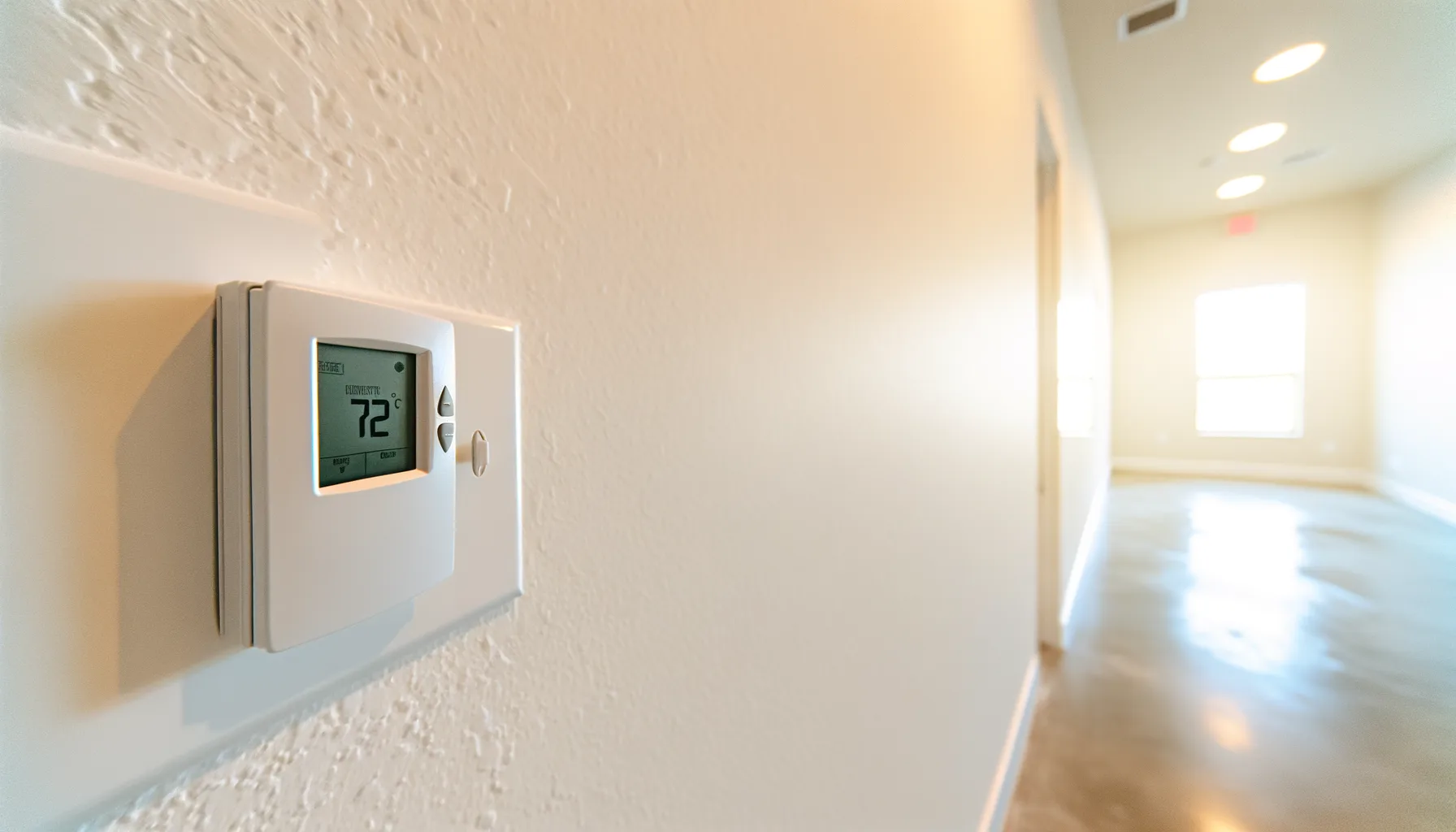
Imagine a sudden thunderstorm rolling over Austin, dark clouds gathering, and the temperature is uncomfortably warm despite the fall season. You’re settled in, expecting the outdoor heat to subside, but then your HVAC system suddenly grinds to a halt. Now, it feels like the muggy air is wrapping around you, each minute stretching into a frustrating eternity. You start thinking about the last time your unit was serviced and how precarious your situation has become amidst the unpredictable Texas weather. With fall storms and rising humidity complications, sudden HVAC failures can bring chaos to your home. What should you do next?
Why This Matters for Austin Homeowners
HVAC breakdowns during stormy seasons can be more than just an inconvenience for Austin homeowners. With the combination of extreme heat and high humidity, falling temperatures can cause your air conditioning system to work overtime, putting it at risk of failing. Moreover, Austin’s clay-rich soil can contribute to various foundational problems, potentially impacting your HVAC setup and further complicating repairs. This blend of factors makes timely HVAC maintenance essential.
Homemakers often overlook small issues, believing they can wait until their annual inspection. However, weather changes can exacerbate these problems, making this a high-risk period for system failure. An Austin homeowner losing access to conditioned air during a storm can also face health risks, especially for those with respiratory conditions. Being proactive is far better than waiting for another oppressing heatwave to remind you of your AC’s dependency.
Expert Solutions & Actionable Tips
1. Schedule Regular Maintenance Checks
Establishing a regular maintenance schedule can save you from unexpected breakdowns, especially as the seasons change. A comprehensive inspection typically costs between $75 to $150 and should be done at least twice a year. Make sure to hire a reputable local service like BreezeCool AC Repairs that understands how our unique Texas climate affects HVAC systems. This proactive step ensures you catch any underlying issues before they escalate, helping you stay comfortable during stormy weather.
2. Know Your System's Age and Efficiency Ratings
Understanding your HVAC system's age and energy efficiency can help you prepare for emergencies. Older units, especially ones over ten years old, can become less reliable. Replace them sooner to avoid breakdowns during peak usage. On average, a new HVAC system can cost anywhere from $5,000 to $15,000, depending on the size and efficiency rating. Some energy-efficient models even qualify for local rebates, making the investment worthwhile.
3. Understand Your Warranty
Knowing the details of your HVAC warranty is crucial. Many systems come with a ten-year warranty, but specific components may have different coverage. If your AC breaks down, check if you’re eligible for repairs or replacements under the warranty. This understanding can save you hundreds during emergencies. Keep your documentation in a readily available location, so you can quickly reference it when issues arise.
4. Use Smart Thermostats Wisely
Consider installing a smart thermostat to help manage your HVAC system more effectively. With features like remote access, you can monitor system performance and adjust settings accordingly, making it easier to ensure you have adequate cooling even before the storm arrives. Installation costs typically range from $100 to $300, but it provides greater control and energy savings in the long run.
5. Have an Emergency Plan
Creating an emergency plan can significantly reduce stress and anxiety when your HVAC fails. Identify key contacts, such as BreezeCool AC Repairs, and keep their number handy. This proactive approach ensures you’re not left scrambling for help when disaster strikes. Be ready for both immediate repairs and larger system replacements by keeping a budget reserved for such situations, typically ranging from $500 to $1,000 for unexpected repairs.
6. Protect Your Outdoor Unit
During severe weather, protect your outdoor HVAC unit from debris and flooding. Consider investing in safeguards like custom covers or barrier walls that can help prevent damage from falling branches or hail during storms. A little preparation can extend your system's lifespan and prevent costly repairs that often arise from these unexpected weather incidents.
Austin Climate & Local Context
Austin's climate is characterized by its harsh summers and unpredictable fall storms, which can bring everything from heavy rain to hail. The combination of extreme heat and high humidity in September and October creates a unique challenge for homeowners. The soil conditions in Austin, primarily clay, often lead to foundational shifts that can impact the stability of your HVAC system.
Local building codes may also stipulate specific installation procedures to help mitigate these impacts, ensuring that systems are not only efficient but also resilient to our local environment. Bear in mind that compliance with these regulations might necessitate upgrading your HVAC unit or optimizing its placement. So, understanding both the local climate and these building stipulations is key for maintaining your HVAC effectively.
When to Call a Professional
Many homeowners feel comfortable tackling minor issues like changing filters or cleaning coils themselves, but more significant problems often require professional help. If you encounter any of the following red-flag scenarios, it’s time to call a specialist:
- Your HVAC system is over 15 years old.
- Unusual sounds like grinding or squealing are present.
- During operation, you notice warm spots in different rooms.
- Repair costs are consistently mounting with little relief.
- Your energy bills have significantly increased without explanation.
- The unit is leaking fluid.
- It frequently cycles on and off.
- Strange odors are emitted from the system.
In such cases, bringing in a professional like BreezeCool AC Repairs can save you time and ensure that your system is restored promptly and efficiently, especially during peak weather seasons.
Frequently Asked Questions
What should I do if my AC breaks down during a storm?
If your AC fails during a storm, ensure your safety first. If you hear unusual noises or see smoke, evacuate and call emergency services. Otherwise, get in touch with BreezeCool AC Repairs at (737) 337-5422 for prompt assistance.
How can I prepare my HVAC system for hurricane season?
During hurricane season, secure and elevate your outdoor units if possible, and have a pre-storm inspection by BreezeCool AC Repairs. This helps ensure optimal performance when you need cooling the most.
Do I need a permit for HVAC work in Austin?
Yes, most HVAC installations and significant repairs in Austin require permits. Check with the City of Austin’s planning department or your HVAC professional for guidance.
What are common signs that my HVAC needs repair?
Look for irregular cycling, unusual sounds, or decreased airflow. Additionally, if your energy bills spike unexpectedly, it's a sign to consult BreezeCool AC Repairs for a potential check-up.
Can I replace my HVAC system myself?
While minor maintenance can be DIY, full replacements should be handled by professionals due to safety, efficiency, and compliance with local regulations. Contact BreezeCool AC Repairs for expert guidance.
Get Expert HVAC Service in Austin
When the storms hit and your HVAC system fails, don’t hesitate to call for expert help. BreezeCool AC Repairs is ready to respond to your HVAC needs in Austin. For dependable service, reach out to us at (737) 337-5422 and ensure your home stays comfortable no matter the weather.
Our team is well-versed in locally relevant challenges and solutions for HVAC systems. Count on us for a quick fix and peace of mind as the storm rolls in.